| Direct answer
A commercial painting project typically includes a site assessment, surface preparation, coating application, safety planning, quality inspections, and a final walkthrough to ensure quality and project completion. |
What is a Commercial Painting Project?
A commercial painting project is the process of preparing, repairing, coating, and protecting interior or exterior surfaces in commercial, industrial, retail, institutional, or public buildings using professional-grade paints and coatings.
What Happens Before a Commercial Painting Project Starts?
The work begins before the first coat of paint is applied. A professional commercial painting project starts with an assessment of the property, its surfaces, and the customer’s requirements. The contractor will typically consider:
- Which areas need painting
- Interior versus exterior surfaces
- Existing paint and coating condition
- Concrete, drywall, metal, wood, masonry or other substrates
- Peeling, cracking, or damaged surfaces
- Moisture or water-related problems
- Access requirements
- Occupied areas
- Equipment and inventory that need protection
- Required schedule and downtime
- Environmental conditions for exterior work
- Appropriate primer and coating systems
The goal is to identify potential problems before work begins rather than discovering them after the project is underway.
What Should a Commercial Painting Scope of Work Include?
A detailed written scope helps the property owner and contractor understand exactly what is being delivered. A commercial painting scope should clearly identify:
- Areas and surfaces to be painted
- Existing surface condition
- Cleaning and preparation requirements
- Repairs included in the project
- Primer requirements
- Paint or coating products
- Number of coats
- Colour and sheen
- Access equipment
- Protection and containment
- Work schedule
- Cleanup requirements
- Quality-control procedures
- Warranty information
- Project exclusions
This is particularly important when comparing multiple commercial painting proposals. Two contractors may provide very different prices because they are quoting different levels of preparation, repair, or coating work.
A good painting proposal should make the differences clear before the project begins.
Why Does the Site Assessment Matter?
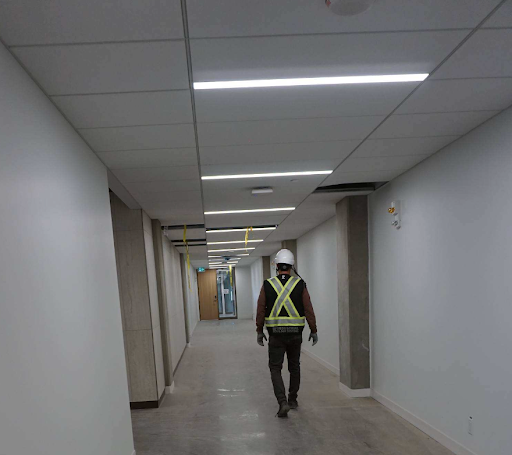
Because it’s where the real decisions get made. The assessment tells the contractor what kind of prep each surface requires, whether there’s water damage or corrosion that has to be dealt with first, what type of coating will actually hold up in that space, and the types of equipment the job needs. Skip this step, or rush it, and you end up with a quote that doesn’t match reality, which means change orders, delays, or a coating that fails early because nobody caught the problem underneath it.
What Surface Preparation is Actually Included?
This is the part of the job that’s invisible once it’s done, but it’s the single most important factor in how long the paint lasts. Surface prep usually includes washing or pressure-washing to remove dirt, grease, and mildew, scraping and sanding failing paint, patching cracks and holes, caulking gaps, and priming bare or repaired areas so the new coating actually bonds. On exterior metal or masonry, that can mean sandblasting or another abrasive method to strip rust and old coatings down to a clean surface. It’s not the exciting part of the job, but according to Sherwin-Williams, up to 80% of all coating failures trace back to inadequate surface preparation, not the paint itself. That single stat is why a reputable contractor spends so much time here before they even open a paint can.
Are Repairs Included or Quoted Separately?
This depends on the scope, which is exactly why the written scope of work matters so much. Minor drywall patching, caulking, and spot repairs are usually built into a standard commercial painting quote. Larger repairs – structural stucco damage, significant rust on steel, or rot in exterior wood – are typically called out separately because they can involve different trades or materials. A contractor worth hiring will tell you this upfront rather than let it become a surprise mid-project.
How is the Coating or Paint System Chosen?
Coating selection isn’t just about colour; it’s about matching the product to the surface and the environment. Interior office spaces need a different finish than a factory floor with chemical exposure, and a stucco exterior facing Canadian winters needs something different again. This is where industrial painting and standard commercial jobs really diverge: industrial and institutional facilities often need corrosion-resistant, fire-resistant, or chemical-resistant coatings, while retail and office spaces are usually built around durability, washability, and brand colour standards. Central Painting’s institutional painting and industrial painting pages break down which systems apply where.
| Environment | Common consideration |
|---|---|
| Office | Washability, appearance, durability |
| Retail | Appearance, traffic, cleanability |
| Warehouse | Durability, abrasion, traffic |
| Manufacturing | Chemical, abrasion, and environmental exposure |
| Institutional | Durability, cleanability, occupancy |
What Equipment and Safety Planning are Part of the Project?
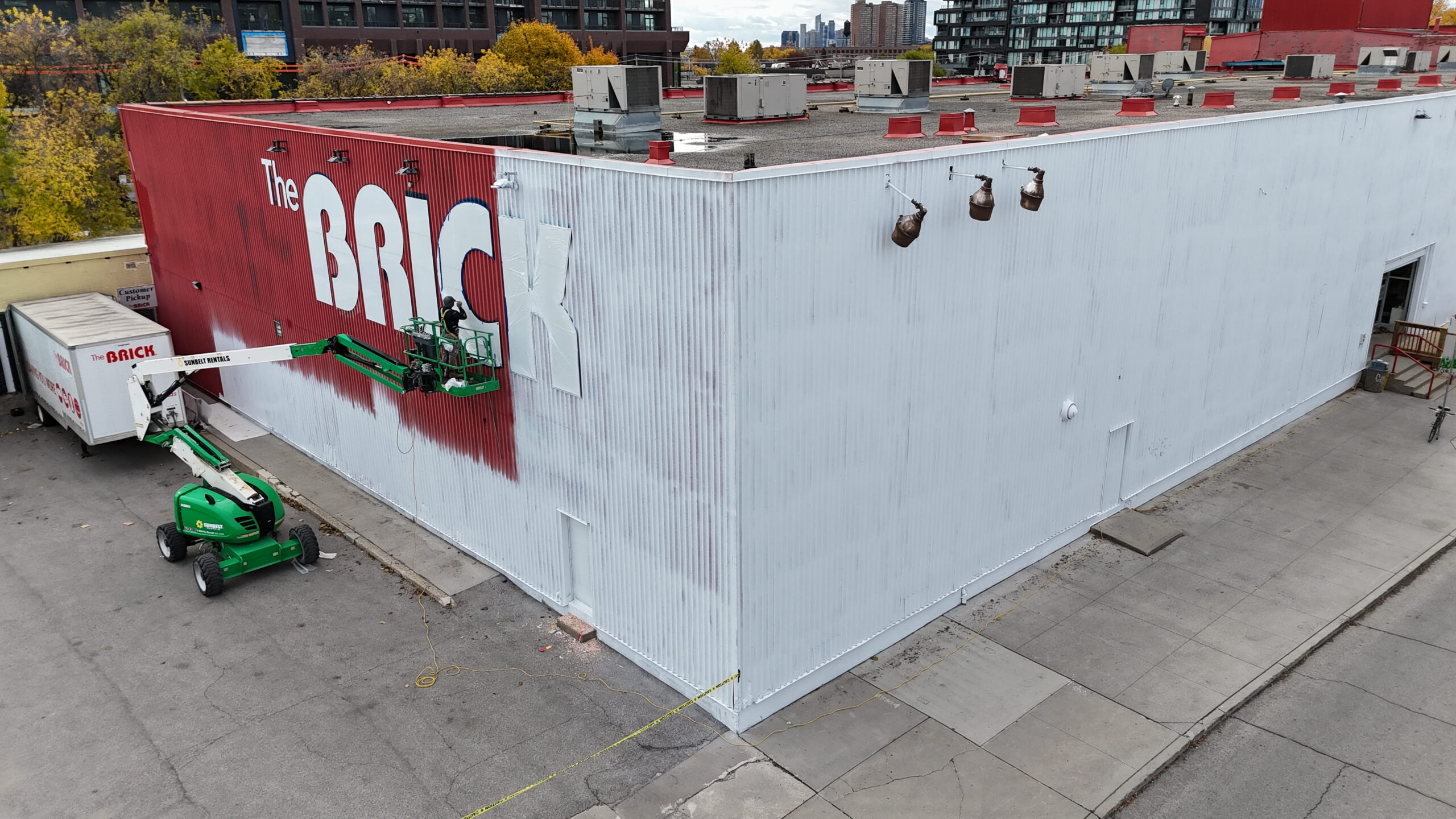
Anything above reach height needs equipment: scaffolding, boom lifts, or swing stages, and that gets planned into the project from the assessment stage, not figured out on the day. Safety planning covers site protection (masking windows, hardware, and landscaping), containment for dust or overspray, and WHMIS-compliant documentation for the products being used. For taller or more complex exteriors, our exterior refinishing team handles the access equipment and surface restoration together, since they usually go hand in hand.
Can a Business Stay Open While It’s Being Painted?
In most cases, yes. This is one of the most common questions we get, and it’s a fair one; nobody wants to shut down operations for a paint job. Contractors handle this through phased work (painting one section or floor at a time), after-hours and weekend scheduling, and clear communication about which areas are off-limits on which days. Institutional buildings like schools, clinics, and community centres especially rely on this kind of scheduling, since they can’t simply close for a week.
Commercial Painting Project: Stage By Stage
Here’s how the stages usually flow on a mid-to-large scale commercial job:
| Stage | What happens | Why it matters |
|---|---|---|
| Consultation & assessment | Site walkthrough, surface inspection, scope discussion | Sets accurate expectations and avoids surprise costs |
| Scope of work & quote | Written document listing included/excluded areas and coatings | Prevents disputes and scope confusion later |
| Surface preparation | Washing, scraping, patching, caulking, priming | Determines how long the finished coating actually lasts |
| Repairs (if needed) | Drywall, stucco, rust, or wood repair as scoped | Fixes underlying issues before they’re sealed under paint |
| Coating application | Rolling, brushing, or airless spraying the specified system | Delivers the finish, durability, and colour that was specified |
| Safety & access management | Scaffolding, lifts, containment, scheduling around occupancy | Keeps the site safe and operations running |
| Quality control inspection | Checking coverage, coat thickness, and finish consistency | Catches thin spots or missed areas before sign-off |
| Final walkthrough & cleanup | Owner/manager reviews the work; debris and masking removed | Confirms the job matches the agreed scope |
| Warranty documentation | Written warranty terms and product records provided | Protects the building owner if issues arise later |
What Affects the Cost of a Commercial Painting Project?
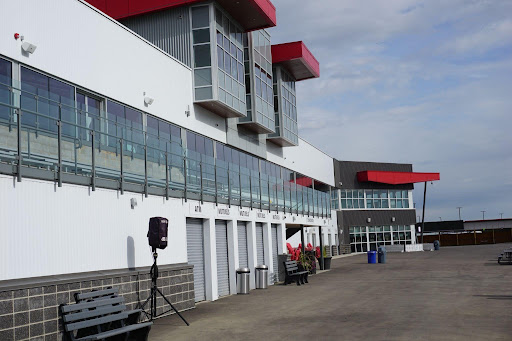
Square footage is the starting point, but it’s not the whole picture. The amount of surface prep and repair needed, building height and access requirements, whether it’s interior or exterior work, the coating system specified, and how tightly the schedule needs to work around your operations all move the number up or down. Two buildings the same size can come back with very different quotes once prep and access are factored in, which is exactly why the site assessment happens before pricing, not after.
How Long Does A Commercial Painting Project Usually Take?
There’s no single answer; it depends on square footage, how much prep and repair work is needed, and whether the project is phased around occupancy. Project duration varies significantly. A small commercial space may take several days or even months, while a large facility or multi-building project can take several weeks. Surface preparation, repairs, access requirements, weather, and phased scheduling can all affect the timeline.
What Should You Expect From a Professional Commercial Painting Contractor?
A professional commercial painting contractor should provide more than a crew and a can of paint. You should expect a structured process that includes:
- Clear communication and reporting
- A defined scope
- Appropriate surface preparation
- Suitable coating recommendations
- Safety planning
- Protection of surrounding areas
- Schedule coordination
- Quality control
- Cleanup
- Clear documentation
- Transparent exclusions
Experience with commercial environments also matters because the contractor needs to understand that the project is taking place within a functioning business or facility. See our portfolio for examples of how these stages play out on real commercial and institutional projects.
| A complete commercial painting project should define the scope, properly prepare each surface, specify the appropriate coating system, protect occupants and surrounding areas, and include inspection, cleanup, and documented closeout. |
Commercial Painting Project Checklist
Before you sign a contract, confirm these are addressed:
- Is there a written scope of work listing exactly what’s included and excluded?
- Has the contractor identified what surface preparation and repairs are needed?
- Is the coating system specified for each surface type and environment?
- Has access equipment (scaffolding, lifts) been accounted for in the quote?
- Is there a scheduling plan that works around your operating hours?
- Does the quote include a quality-control inspection and final walkthrough?
- Will you receive written warranty documentation at project close?
Key Takeaways
- Commercial painting includes assessment, preparation, coating application, inspection, and cleanup.
- Surface preparation is one of the most important factors affecting coating performance.
- A detailed written scope helps prevent unexpected costs.
- Most businesses can remain operational during painting through phased scheduling.
- Quality control and warranty documentation should be included in every professional project.
Frequently asked questions
| What does a commercial painting estimate include?
A proper estimate includes the site assessment findings, a written scope of surfaces to be painted, the surface prep and repair work required, the coating system specified, and the timeline. It should clearly state what’s excluded as well as what’s included. |
| How long does a commercial painting project take?
It varies by square footage, how much prep and repair is needed, and whether work is phased around your operations. A single unit might take a few days; a large facility can take several weeks or even months. Your contractor should give you a written timeline during the scope stage. |
| Does commercial painting include surface preparation?
Yes, appropriate surface preparation is an important part of a professional commercial painting project. Depending on the surface, preparation may include cleaning, scraping, sanding, patching, caulking, mechanical preparation, and priming. |
| Does commercial painting include repairs?
Minor repairs needed to prepare a surface for painting may be included, depending on the contract. Major structural, water-damage, electrical, plumbing, or other specialized repairs may be excluded. Always confirm the repair scope in writing. |
| What should be included in a commercial painting contract?
A commercial painting contract should clearly identify the areas being painted, preparation requirements, repairs, products, coats, colours, access requirements, schedule, protection, cleanup, warranty, and exclusions. |
| Can a business remain open during a commercial painting project?
It depends on the scope of the project and the coating systems being used. While some businesses can remain operational through phased scheduling or after-hours work, certain areas may need to be temporarily closed to accommodate safety requirements, ventilation needs, and coating fumes. An experienced commercial project manager will work with the property owner to minimize disruption while maintaining a safe environment for occupants and workers. |
| What coatings are used in commercial buildings?
It depends on the space. Offices and retail typically use durable, washable architectural coatings, while industrial and institutional facilities may need corrosion-resistant, chemical-resistant, or fire-resistant coating systems. |
| What happens during the final walkthrough?
The building owner or manager reviews the finished work against the agreed scope, the contractor addresses any punch-list items, cleanup and debris removal are confirmed, and warranty documentation is handed over. |
| Planning a Commercial Painting Project?
Over the past 30+ years, Central Painting has completed projects in manufacturing plants, schools, healthcare facilities, office complexes, and retail environments across Canada. While every project differs, the most successful outcomes consistently start with detailed preparation and clearly documented scopes of work. |
Request a free assessment, and we’ll walk your building and put the full scope in writing before you commit to anything.