| DIRECT ANSWER
Signs a commercial building needs repainting include peeling, cracking, or bubbling paint; colour fading, rusting and discoloration; a chalky powder residue on exterior surfaces; rust or water stains; and mold or mildew growth. Operational signs matter too: rising touch-up costs, worn high-traffic interior walls, and an outdated color scheme that no longer matches your brand. Most commercial buildings need repainting every 5 to 7 years, but these warning signs can mean the job is needed sooner. |
Recognizing the signs a commercial building needs to be repainted early protects your property, your budget and your brand standards. Paint is more than curb appeal; it is the first line of defense against moisture, UV exposure, and corrosion. Once that protective layer breaks down, small cosmetic issues can turn into structural repairs. This article walks through the visual, structural and business signs that indicate it’s time to schedule a professional repaint.
Why Commercial Repainting Matters
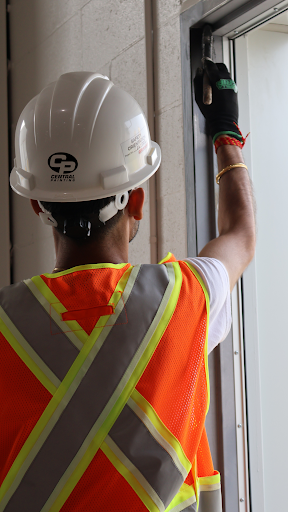
A commercial building’s exterior paint system serves two critical functions: it protects the substrate from weather, moisture, and other environmental factors while maintaining a professional appearance that is in line with your brand standard and business reputation. As coatings age, their protective qualities can begin to deteriorate long before visible signs of damage appear. Recognizing the early warning signs of coating failure is important, as addressing issues early can help property owners maintain a safer building environment, avoid costly repairs related to moisture intrusion, corrosion, and substrate deterioration, and preserve the property’s appearance and overall value.
Visual and Structural Signs
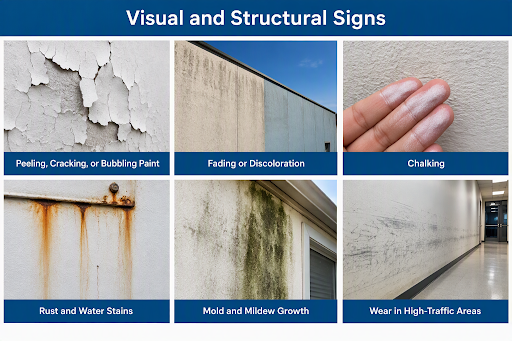
The condition of your building’s paint can tell you a lot about the health of the surfaces underneath. Some signs are purely cosmetic, while others point to moisture, corrosion, or substrate damage that can become costly if ignored. Here are the most common visual and structural signs that it’s time to repaint your commercial or industrial facility.
Peeling, Cracking, or Bubbling Paint
When paint peels, cracks, or bubbles, the protective seal has failed. This exposes the underlying wall to moisture and accelerates rot, corrosion or substrate damage. These areas should be addressed quickly, since moisture intrusion often spreads.
Fading or Discoloration
Sun exposure, rain, and pollution gradually break down paint pigments, leaving walls looking dull, blotchy, or washed out. Fading is often the first visible sign of UV and extreme weather damage, even before the paint film physically fails.
Chalking
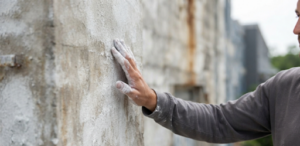
A fine, powdery residue on an exterior surface, often visible when you run a hand across the wall, means the paint binder has broken down and lost its protective ability. Chalking is a reliable sign the coating is past its effective service life.
Rust and Water Stains
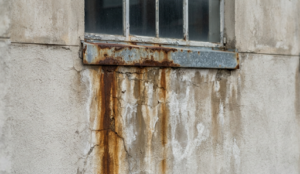
Discoloration from water, rust, or smoke often points to underlying leaks, flashing failures, or metal corrosion. These stains are rarely just cosmetic; they usually indicate a moisture or metal-deterioration issue that a repaint (paired with the right repair) should address.
Mold and Mildew Growth
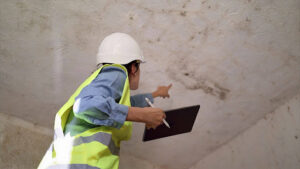
Dark or greenish patches on walls, especially in shaded or poorly ventilated areas, indicate trapped moisture. Left untreated, mold and mildew can damage building materials and affect indoor air quality for occupants.
Wear in High-Traffic Areas
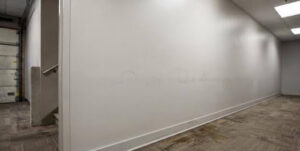
Interior walls in lobbies, hallways, stairwells, and loading areas often show deep scuffs, heavy dirt, or stains that no longer wash off. When cleaning no longer restores the finish, repainting is the more practical solution.
Operational and Business Signs
High Maintenance Costs
If your team is constantly doing small touch-ups, a full repaint is usually more cost-effective than continuing to chase isolated problem areas. Repeated spot repairs rarely match the surrounding finish and add up in labour and material costs over time.
Outdated Branding or Discolouration
A color scheme that no longer matches your current brand identity can undercut an otherwise well-maintained building. Rebranding, tenant turnover, or a company refresh are common triggers for planned repainting projects.
How Often Should a Commercial Building Be Repainted?
Most commercial buildings need repainting roughly every 5 to 7 years, though the right interval depends on climate exposure, substrate material, coating quality, and building use. Buildings facing harsh weather, direct sun conditions may need repainting sooner, while well-protected surfaces with premium coatings can sometimes go longer. Warning signs to aid in final decision.
Commercial Building Repaint Warning Signs at a Glance
| Sign | What it usually means | Recommended action |
| Peeling / cracking / bubbling | Protective seal has failed | Repaint promptly; inspect for moisture damage |
| Fading / discoloration | UV and weather breakdown of pigment | Schedule repaint to restore protection and appearance |
| Chalking residue | Paint binder has broken down | Repaint with appropriate primer and topcoat |
| Rust / water stains | Leak, flashing failure, or corrosion | Repair source, then repaint affected areas |
| Mold / mildew growth | Trapped moisture | Clean, address moisture source, then repaint |
| Rising touch-up costs | Isolated repairs no longer cost-effective | Plan a full repaint instead of ongoing patches |
| Worn high-traffic walls | Cleaning no longer restores finish | Repaint high-wear interior zones |
| Outdated color scheme | Branding or ownership change | Plan a full or partial rebrand repaint |
When Should You Schedule a Professional Assessment?
If you notice two or more of the signs above, or your building is approaching the 5 to 7 year mark since its last full repaint, it’s time for a professional evaluation. An experienced commercial painting contractor can distinguish cosmetic wear from underlying moisture or substrate issues, and recommend the right surface preparation, primers, and coating systems for your building type.
How Central Painting Helps Protect Commercial Properties
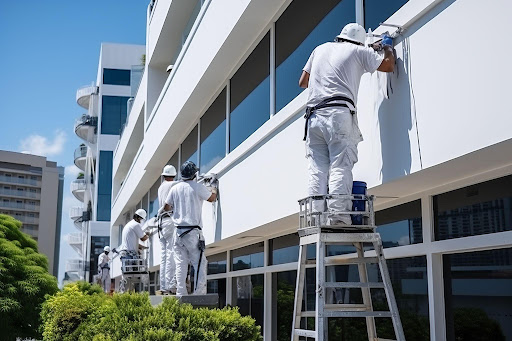
For over 30 years, Central Painting has delivered commercial and industrial painting services across Canada, from office towers and retail properties to institutional and industrial facilities. Our teams assess surface condition, recommend proper surface preparation, and apply high-quality coatings designed to protect your asset and refresh its appearance.
Explore our Commercial Painting and Exterior Refinishing services, browse similar projects in our Portfolio, or request a free quote for a professional building assessment.
Final Building Inspection Checklist
- ✓ Walk the full exterior and note any peeling, cracking, or bubbling paint.
- ✓ Check for fading, chalking, or dull, washed-out color.
- ✓ Look for rust streaks or water stains near rooflines, windows, and ledges.
- ✓ Inspect shaded or damp areas for mold or mildew growth.
- ✓ Review recent maintenance requests for repeat touch-up costs.
- ✓ Walk high-traffic interior areas for deep scuffs or stains that no longer clean off.
- ✓ Compare your current color scheme against your brand or tenant standards.
- ✓ Book a professional assessment if two or more signs are present.
Spotting the signs a commercial building needs repainting early protects your asset, controls costs, and keeps your property looking professional. When in doubt, a qualified commercial painting contractor can assess the building and recommend the right scope, coatings, and timeline.
Frequently Asked Questions
| What are the signs a commercial building needs repainting?
Common signs include peeling, cracking, or bubbling paint, fading or discoloration, chalking residue, rust or water stains, and mold or mildew growth. Rising maintenance costs, worn high-traffic walls, and an outdated color scheme are also strong indicators. |
| How often should commercial buildings be painted?
Most commercial buildings need repainting every 5 to 7 years, though climate exposure, substrate material, and coating quality can shorten or extend that interval. Visible warning signs should take priority over a fixed schedule. |
| Why is paint peeling on a commercial building?
Paint typically peels when the protective seal has failed due to age, moisture intrusion, poor surface preparation during the original application, or prolonged UV exposure. Peeling exposes the substrate to further damage and should be addressed promptly. |
| Does repainting protect a commercial building?
Yes. A properly applied paint or coating system protects the substrate from moisture, UV degradation, and corrosion while helping maintain a safe, professional-looking property. Repainting on schedule can reduce safety risks associated with coating failure and help prevent more costly repairs in the future. |